
Recently, I posted a Podcast on the benefits and limitations involved when using digital media in the primary classroom

When creating this podcast, I wanted to draw on my personal experiences that I had during my placement. I feel this added credibility to my points and made the podcast a more personal and informative experience.
By beginning my podcast with an overarching description of digital media, it gives those who may be confused a brief outline of what is the main focus of the podcast. Here I used David Buckingham’s Youth, Identity, and Digital Media (2008) as I believed he provided a great outline of how digital media is defined and the implications for both society and education. By also giving some examples of what this may look like in the classroom it outlines to the listener the suggestions on the practical representations.
My podcast contained points such as how digital media can allow students to access a wide variety of resources, how being digitally literate is important for the future, the inclusion in the Victorian curriculum and the benefits for teachers.
Then I moved to talk about the limitations involved, such as how confidential school information may be vulnerable to cyber-attacks, the problems when online resources go offline and the changes that teachers along with families must adapt too.
Throughout all these points, I tried to make explicit reference to experiences that I had during placement. I also referred to Sonia Livingstone’s 2011 article ‘Critical reflections on the benefits of ICT in education’ as she raised some great, well informed points surrounding digital media in the classroom.
When using scholarly articles, I paraphrased and used quotes to reaffirm my points.
I decided to include an intro and outro song for my podcast that I found on a website called CC Mixers. I searched ‘jingle’ and was selective when choosing the right one. I wanted it to sound bubbly and happy, setting the tone for the podcast and making listeners intrigued
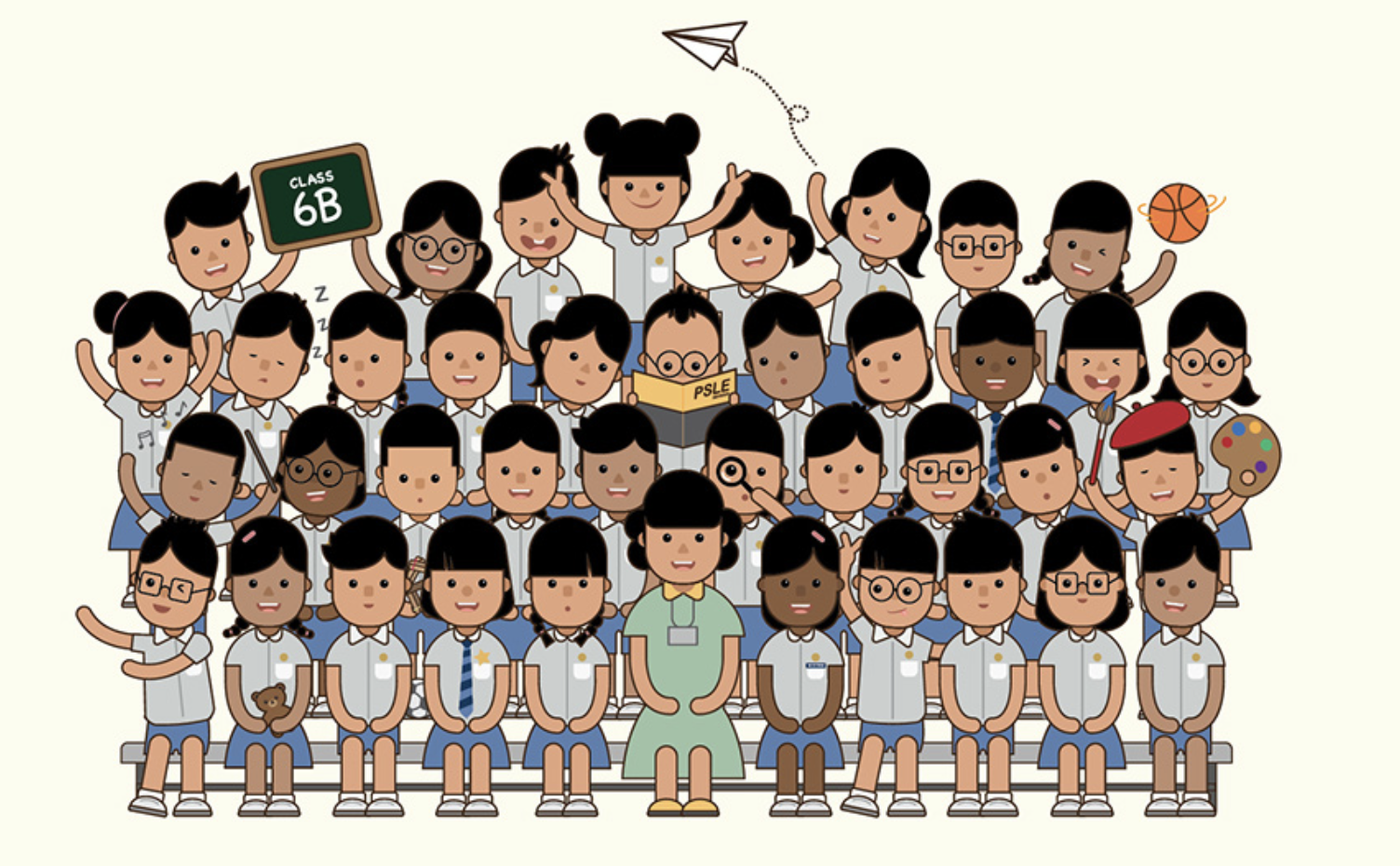
Creative commons was a site that used when choosing the cover art for the podcast. This depicts a cartoon classroom picture, which I though was relevant to the topic. The cartoon style of the picture makes the podcast seem inviting and frankly I just thought it was cute.
One major challenge I faced is the fact that I had around 8 mins of podcast to cut down. Due to the large topic that I was tackling it was hard to stop myself going off on tangents and into way too much detail. Looking towards next time, I would give myself fewer points to talk about and go into much more detail.
I also had trouble downloading the ‘Audacity’ podcast editing software that was recommended. For some reason it would not open on my MacBook, so I had to find an altera method for editing. I found out through some trial and error that I could use iMovie to edit the podcast and just save it as an audio file. This worked really well and provided me with a great end product that I believe was edited well.
In conclusion, I learn the power of podcasts and how much I enjoy recording my own and listening to others. Podcasts are engaging and a great way to convey information and communicate with your audience. I look forward to exploring into the world of podcasts and listening to more in the future.
Word Count = 571 words
Reference List =
Buckingham, D. 2008, Youth, Identity, and Digital Media, The MIT Press, Cambridge, retrieved 23 May 2019, Google Scholar
Livingstone S 2011, ‘Critical reflections on the benefits of ICT in education’, Oxford Review of Education, vol. 38, no. 1, 9 – 24, retrieved 23 May 2019, https://www.tandfonline.com/doi/full/10.1080/03054985.2011.577938
Victorian Curriculum F- 10, 2019, Digital Technologies, Victorian Curriculum and Assessment Authority, retrieved 18 March 2019, http://victoriancurriculum.vcaa.vic.edu.au/science/curriculum/f-10?y=F-2&y=3-4&y=5-6&s=science-understanding&s=science-inquiry-skills&layout=2
 Kate's Blog